Winter of Regeneration
When last I wrote in our blog space, I was clinging to succession planting and squeezing every ounce out of the growing season. In the past few weeks, we’ve begun shifting gears to more education. I began thinking a lot about seed starting, planning out the tasks for a great spring on our homestead, looking at my spreadsheets, while working hard to design and create implementation plans for clients who are very excited for the spring. I thought I might catch a long winter nap this year. Instead, I found myself busy with design work , and unfortunately, a little obsessed with the issues we are facing around our world. Needless to say, I’m yet to get that long nap.
Folks are really starting to care about living a more responsible and intentional life for the future of our planet. To be honest, learning how to prepare oneself and others with the tools for a regenerative future is not always easy in such dark times. It can be a ton of fun, but sometimes you don’t know where to start, or the reasons you want to start are serious. Stress levels are high for a lot of folks, as financial concerns are rising, water is scarce, pollution and massive erosion continues by the wealthiest and largest corporations on the backs of practical slavery and sometimes even actual slavery… drought, flooding, disease, politics, and war seem to have gripped our dear mother earth. Being willing to look at reality and our behavior as a human race is difficult.
Winter is a great time for slowing down and learning. There’s so many awesome conferences, summits, and webinars that I just can’t catch them all. Rather than sit around and sulk, which is easy for a dude with severe depression to do in the winter, I have decided to dive deeper into my permaculture journey, dive into my spirituality, and dive into further educating myself in general. There is literally no shame in my game when it comes to sponging knowledge. Thus, while trying to ensure I stick to the slower living I believe we all need to adapt to, I have learned more of the science and evidence behind what our mission and vision truly are, and as usual, I want to pass that on to you.
Where is Our Food Coming From?
In a recent report, it was no surprise to learn that 4 companies poison, profit, and control more than half the world's agriculture. Here's some facts about where our food comes from, just part of the reason we need regenerative and permaculture practices to grow food locally and save the skills of the past in order to preserve the future of this planet. Also, people are still starving, so great work again by our friends at the government and big industry.
Today’s Industrial Food Chain enables the world’s biggest Food Barons to hold more economic power than the world’s 3.6 billion farm families, fishers and producers put together. This is deeply inefficient, perverse, and extractive. Even World Bank economists acknowledge that the industrial global food system’s 8 trillion-dollar value is largely cancelled out by its negative externalities. Extreme volatility and staggering economic inequality have now become defining features of global food and agriculture, with dreadful impacts: even as global food insecurity and prices soar, Big Food and Big Ag post record breaking profits.
Recent times have brutally unmasked the extreme vulnerability of a highly centralized, industrialized food system that exploits workers, degrades the soil, and relies on a global supply chain susceptible to disruption and corruption. Corporate concentration is a fundamental driver of these and other failures – across every link of the Industrial Food Chain. I vote for tribalism and as local community-based food production as possible, preferably, your own backyard.
Research reveals that, after decades of consolidation, Industrial Food Chain sectors are controlled by just four firms. Economists typically consider a four-firm concentration ratio of 40% or higher as an oligopoly. Many of the sectors monitored are already far above that 40% threshold.
In contrast to the giant Food Barons, it is important to remember who feeds most of the world. The Peasant Food Web still feeds the equivalent of 70% of the world’s people with less than 30% of the world’s land, water, and agricultural resources. Further land and water grabs, degradation of soil, poor water management practices, as well as technological appropriation threatens their way of survival.
The Peasant Food Web provides an essential counterweight to the grim tale of concentration and profiteering that we see in industrial agriculture. Humanity did not need this for its entire existence until about 100 years ago when “captains of industry” drove such greed riddled change. Ancient humans thrived through inspiring diversification, and territorial food initiatives that redistributed and shared the inherent power of sun, soil, seed, and animals amongst people – providing food to all.
It is urgent to recognize the vital importance of non-industrial food systems in this time of food, health, and environmental crises. It is urgent that large scale food producers are held accountable and at least adapt to regenerative agriculture practices involving less poisoning and degrading of people and planet.
What are Better Options
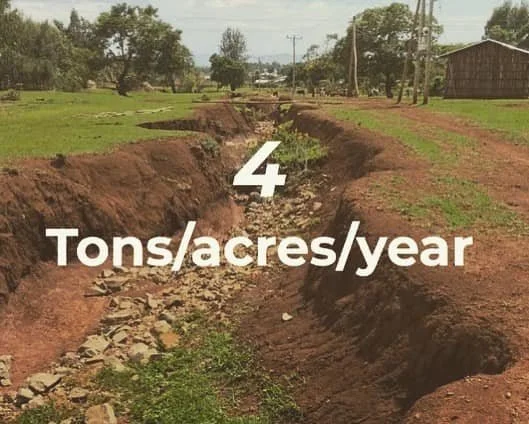
Whether we realize it or not, we are part of the collective ecosystem of this planet. Our life's choices have a ripple through all of eternity. I believe we are one people and one planet, but the change occurs when the smallest minority, the individual, chooses love, and deep compassion. We must care that 4 tons of topsoil erode per acre annually in the US. That is an average, not the worst-case scenario. Do you think we would make an impact on the planet if we connected to our food and each other in a regenerative way rather than degrading every day.
In our business, we see our social structure as destroyed as the landscape, but what we work for is simple... I want our children and the offspring of all life to have a chance at a harmonious and thriving future on planet earth. Currently, less than 0.1% of food is grown in backyard gardens. Just 100 years ago 45% was grown this way. Massive scale farming is the largest contributor to erosion globally. We are left with a situation where no water stays in the soil, and it now does not slow or rest long enough to replenish the water table, the streams, springs, and aquifers.
When the rains come down on healthy land with a living soil structure, it absorbs like a piece of bread. When the rains fall on degraded soil, it is like pouring water on a pile of flour and you end up with a flooded, murky disaster.
Conscious design leads to regeneration. Whole system thinking and living with or as close to that which sustains us as possible is the regenerative way. Do we ever stop to ask ourselves “What is the story of our food, clothing, and other goods”?
Like I said, we cannot simply forget that big agriculture is extremely destructive and puts profits over people. Books and films pushing for regenerative agriculture are not lying about these problems. The best part is though, we have the solutions. Through the principles of permaculture and regenerative agriculture combined, we can not only take part in nature and sustain, but we can regenerate the land we've degraded for so long through building and supporting the soil.
A little mental refresher on the similarities between the principles of permaculture and regenerative ag…
Principles of permaculture are
1. Earth care
2. People care
3. Fair share
Principles of Regenerative Agriculture are
1. Least disturbance
2. Living soil
3. Soil armor
4. Animal integration
5. Increased biodiversity
Animals, critters, fungi, bacteria, algae, microbes in general… other lifeforms are a part of this. We cannot do it alone. A big statement in regenerative agriculture is simply that bare ground means no carbon download or sequestering and no water slowing, retention, and absorption. More organisms and biology, then more carbon and nitrogen are put into soil, and our plants are better off. Now they're able to protect themselves from pests in the regenerative model as well as uptake and rid the soil of toxins.
I'm not saying everyone needs cattle, but some method of planned grazing and joining animals in our systems can genuinely lead to a negative carbon output. It’s being done every day by some super smart folks. Yes, even in very large-scale agricultural models.
Organic Carbon and Healthy Soil
Carbon is not the enemy. It is the building block of all life. How we use carbon is the problem. Imagine if the earth was covered in plants. Carbon would not be an issue. We are the issue.
Plants are pretty awesome. They have this thing called a Stomata that pulls in CO2 to build the plant or tree.
In soil, sand, silt and clay mix with decomposing organic matter, which is made of carbon, and thus, carbon is sequestered while plants are sharing sugars with soil in exchange for minerals and water. Organisms in the soil feed on sugars and make the minerals available to the plant.
Plant exudates are what really makes soil. Plants and mycorrhizal fungi team up to make Glomalin. Glomalin is what permeates organic matter and binds it to silt, sand, and clay particles. There's no closed loop system and no regeneration without respecting these plants and the life in the soil they work with.
1 teaspoon of healthy soil has more organisms than there are people on planet earth. The air we breathe is 78% nitrogen and plants also need nitrogen. We are realizing that the more bacteria, algae, and fungi in soil, the more air and water holding capacity it will have and the cleaner the water is as well. In living healthy soil, 10 tons of carbon can be sequestered per acre per year.
In trying to be an advocate for global regeneration, we must understand and embrace that life is the result of cooperative biodiverse living systems. Reductionist thinking will not solve the problems we are facing. When it comes to soil health, and the health of our planet in general, we have really gotten in the way of what was working just fine. It is time to WAKE UP! I will not grovel at the feet of the modern age. I will remember where we all came from. I will do and support and create before I just take.
The gifts and wisdom of the earth are for those who are willing to approach it slowly, and with humility. Every day to be lived like a prayer, honoring each placeholder in the regenerative circle of life.
Self-sustaining and regenerating the earth is the richest life of all if you ask me! Keep your gadgets... for some of us, there is nothing new under the sun. We are far too quick to move on. We need more, we need it faster, and we find ourselves moving backwards.
Plants make carbohydrates in an endothermic process, this is why bare soil creates a heat island effect, but a biodiverse planting would use that energy instead. When evaporation stops because nothing is held in the soil, the soil just gets hotter and hotter, cooking the bare earth. When it rains then, 80 percent of that water is lost to evaporation in one day. Bare, lifeless ground holds no water, thus drought is often times more than just the absence of rain. Transpiration from plants creates cloud formation. Evaporation from bare ground without transpiration from plants covering that earth is now rapid and leads to erosion. This perpetuates a negative feedback loop.
I learned recently that Regenerative Agriculture allows water to infiltrate at a rate of 0.5” per 4.5 seconds. The same amount of rain in degraded soil, would infiltrate in 2 hours, meaning most of that water is not going to be absorbed for its many purposes. Plant and soil life work together to keep our water clean, and stored where we need it most.
People Care Thoughts from Deep Winter Days
As I mentioned, we’ve been blessed to be so busy this winter. That's not always the case for a new business and a permaculture company in general. I want to say I'm thankful, but there's more to it than that. Gratitude is regenerative. Our business follows the principles of earth care, but it's also about fair share, and it's definitely about people care. Each project we do is on a sliding payment scale for this reason but am I doing enough is always the question at the end of each day. The holidays can be frustrating for many people. To me Christmas is about more than just lights, gifts, and family time. It is a time to plant the seeds of sacrificing for others. This is what the gift of Christmas truly is. A light born into the darkness for the sole intention of saving those who are owed and deserve nothing.
As a people, we have sorely missed the mark for each other and the planet, but here in the winter of rest and regeneration, we prepare for life to thrive, for all our needs to be provided once again by the spring of blessings to flow from beautiful creation. Can you imagine a world where we put aside our differences and saw what each other has to offer in this circle of life. Where instead of a global supply chain, we support our neighbors and lift one another up.
If permaculture is more than earth care, if we care about the future for people and all of creation, than it is time to set aside our differences and be grateful for one another. The soil doesn't bring its baggage to us. It just gives life. It works best with a localized food web that is thriving. We are much the same. Meant to assist each other. We are more than our past trauma. That's how it has to be. There has to be a season of hope and renewal.
We must lead with empathy, gratitude, peace, an open mind, and compassion when we meet on the field of making this earth a better place. We aren't trying to be the MVP or even the team captain. Personally, I just feel blessed to help people and planet. I feel so fortunate to follow our mission with as much intention as possible. I get to be with my family and the earth and try to live this life the way it was intended. Woah! What did I do to deserve that?
Here in our dark moments, trying to survive, are we doing this in merely a self-sustaining or even self-centered way? I assure you, as much as all life is connected, as much as we are each a part of everything, the soil knows not your gender, your organized religion, or your lack of belief in anything good these days because politics, media, colonization, big pharma, big tech, and the history of the world is mired with harm.
All life all around this planet will benefit when we respect one another, care enough to educate, put in the effort to actualize, and always lead with love. Regenerative living is more than agriculture. Permaculture is more than earth care. How many in our communities are unable to thrive and have been eroded and ignored like the soil. What can we offer them this season? What kindness can we give? How can we serve one another to lighten the load and allow that regenerative growth. I have personally been thinking pretty heavy on that. I want to say thank you from the bottom of my heart to not only those who support our small Permaculture design biz, but to every person in this world who is out here just trying to do what's right. We are so blessed by the creator to have a purpose sharing this knowledge, and moreover, to be able to build and actualize regenerative spaces for people and planet.
Fight back Using Regenerative Practices like Phytoremediation
Plants don’t digest soil, the microbes do that, but soil biology affects plant health, which then affects our health. Without microbial populations, we do not have appropriate decomposition. Phytoremediation from carefully selected plant life as well as from the addition of microbial life in the soil has a huge role to play in cleaning up the earth and protecting our communities and our own bodies from contaminants like herbicides, heavy metals, and other toxins. The great news is, Phytoremediation can be utilized in a way that will build soil health and prevent further erosion. Making it much easier to grow a food forest or garden in general.
Trees such as Willow or Poplar use several phytoremediation mechanisms. Natives for habitat can be placed amongst them in guilds. Maybe other phytoremediation plants like goldenrod or asters. These would serve many purposes, attracting life, keeping insects away from your garden, preventing erosion, and assisting in phytoremediation.
From here you can start your food forest, orchard, garden, or rewilding project on a great foundation of stacked functions for regeneration. Phytoremediation has been utilized to remediate ground water and is scientifically proven. It is taking away the toxins by turning them into biomass, breaking them down via the microbial life supported in the soil, then ingesting, or releasing them into the atmosphere. I will offer up here some info from peer reviewed studies that are published in science journals. Although I’m at home building things out of bamboo, twine, and stones, I’m perfectly comfortable combining the best of ancient knowledge with modern science. A bonus from phytoremediation is that it will also support the soil structure via microbial life and mycelium networks.
As mentioned, a suggestion for remediating is the Poplar. Deep roots of poplar trees possess phreatophytic root development with high evaporation rates, combine that with fast-growing ability, and these trees can effectively remediate the ground water as a hydraulic barrier at a low cost. We can guild a Willow with a Poplar perhaps surrounded by Bermuda grass, and geraniums to enhance Pb and Cd phytoextraction. These are proven for removal of total petroleum hydrocarbons by somewhere around 81%.
If we choose to, we could also involve sunflowers to remove Cu, Zn, Pb, Hg, As, Cd, as well as Ni, then add cattail to remove more Cu, Pb, Ni, Fe, Mn, and Zn. A super useful ground cover that offers our soil the great benefit of nitrogen, Cow peas are also amazing at removing Pb and Zn with phytostabilization and are a great ground cover for healthy building soil. Sedum, mustards, hemp, and rattle bush can all help in similar fashion as well. There are others to add, like goldenrod or native asters that I previously mentioned. For the sake of not overwhelming with this topic right now, I will move on. I have to admit, I really did go down a rabbit hole to learn this information and put it together in my sometimes-overwhelmed mind.
Here are a few phytoremediation aids that increase chemical degradation and breakdown speed. (SBR = Sugar beet residue, EDTA = Ethylenediaminetetraacetic acid, EGTA = Ethylene glycol tetra acetic acid, SDS = sodium dodecyl sulfate, PGPR = Plant growth promoting rhizobacteria, PGPE = Plant growth promoting endophytic bacteria, AMF = Arbuscular mycorrhizal fungi. These are fungi that have an optimal symbiosis with most plant life. You can find these in your local forest or in healthy soil, but if you want to be certain, there are easy to apply amendments available online. Some companies sell compost that boast several thousands of different species of beneficial microbes that can break down even glyphosate, which is not water soluble and is our number one enemy.
The easiest thing to do is to just STOP destructive, degrading practices that poison all life on this planet. Glyphosate does have a half-life. It must turn that half-life over 5 times before considered gone. Left to its own devises and without additional applications, that would take 3 years’ time to clear out from the water table.
Biochar
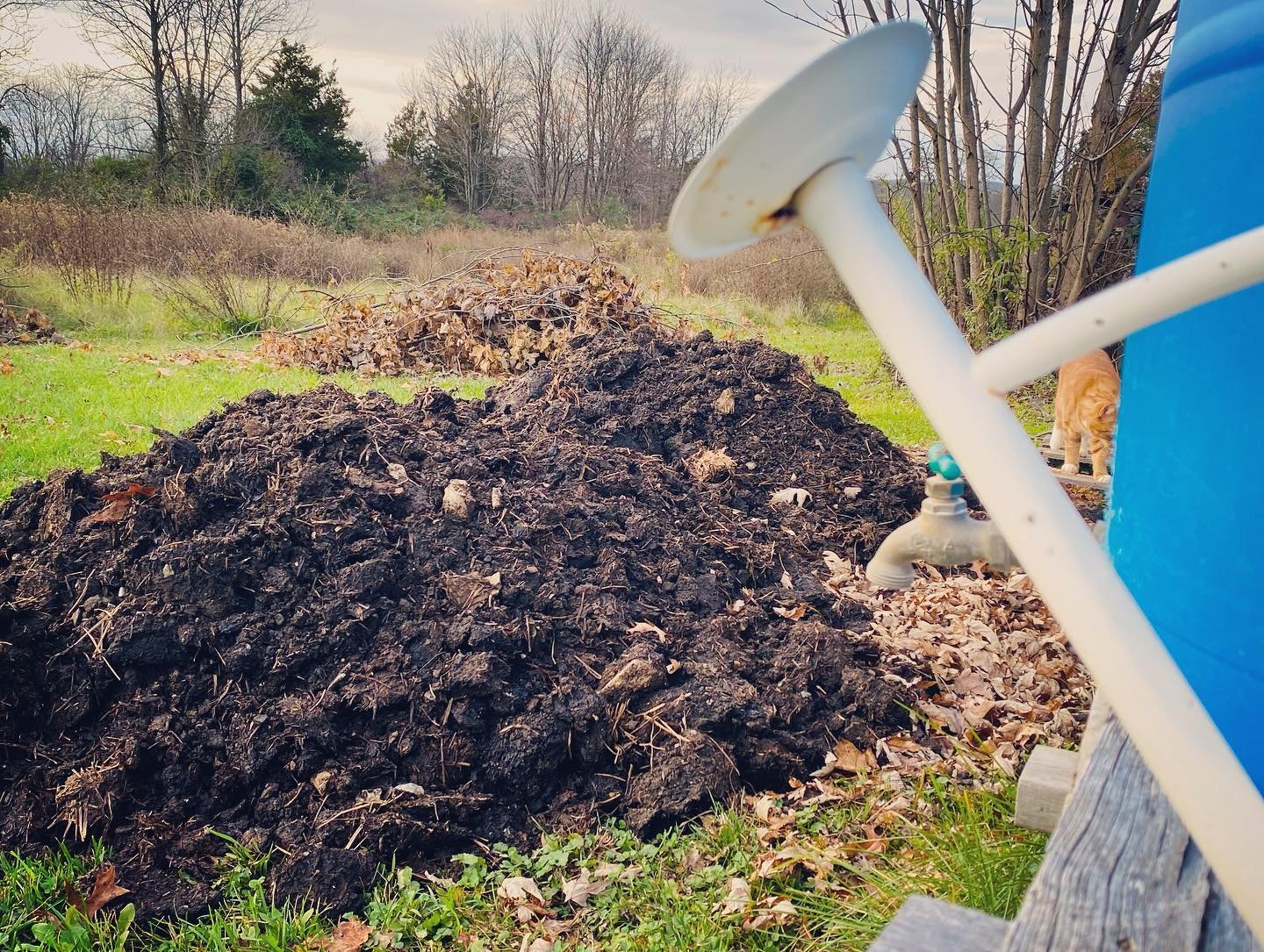
Another soil amendment is biochar, which can be made by the pyrolysis of crop and animal residues. It has unique properties such as high surface area, high porosity, carbon content, pH, and cation exchange properties. I found several studies reporting the beneficial effects of biochar for reducing metal bioavailability and phytotoxicity. The beneficial effects of biochar in the soil can be accompanied by increasing adsorption sites on the soil surface (through permaculture practices like water harvesting swales), water and nutrient retention, water holding capacity, biological activity, and nutrient cycling.
Organic matter like biochar that has humus like substances can immobilize metal ions by forming stable complexes with ions. Since Cu and Pb ions have a strong affinity to the organic matter, these metal ions' low bioavailability suggests that metal binding to humic acids does occur.
Microbes and Fungi in Remediation
Microbes influence the phytoremediation process through various mechanisms. The microbial degradation of organic pollutants and microbial mediated uptake can be achieved through biostimulation and bioaugmentation, which just means supporting the life in the soil to thrive, or the addition of new microbial life. Often, a healthy compost starter can be purchased, or you can make you own that will have all the microbes you need.
Use of fungi also benefits phytoremediation through its direct or indirect interactions with the contaminants. Mycorrhizal fungi affect metal bioavailability through influencing soil properties and composition of root exudates secreted by plants. Specifically, Arbuscular Mycorrhizal Fungi (AMF) increase the absorptive surface area in plant roots, which improves nutrient and water uptake and metal bioavailability. There are many soil amendments we can use to increase the presence of these beneficial fungi.
Here is what Research Concluded
…about microbes, bacteria, fungi, and algae for bioremediation. Bioremediation is a suitable alternative for the treatment of glyphosate-related pollution. Several microorganisms, bacteria, and fungi have great potential for the biodegradation of this herbicide. The reviews were composed of recent reports on the use of microorganisms as alternatives for glyphosate degradation, the most important bacteria in the reviews I found were Achromobacter, Bacillus, Burkholderia, Ochrobactrum, and others, while in general Aspergillus and Trichoderma were the most important among fungi.
Fungi have so many incredible uses for our bodies as well as the earth. We are learning that very quickly. Fungi and algae are emerging groups of microorganisms reported in glyphosate biodegradation studies. Most studies conclude that Glyphosate can actually be degraded via two metabolic pathways—AMPA and sarcosine through glyphosate degrading bacteria. These bacteria exist in thousands of different species within healthy compost and naturally developed soils.
Soil organic matter directly and indirectly affect the sorption of glyphosate. The phosphate in soil competes with glyphosate for sorption, which ultimately affects the retention and degradation of glyphosate. The pre-sorption of phosphates almost eliminates the chances of glyphosate sorption in some soils.
Plants provide an environmentally friendly remedy option to clean up pollutants at much lower energy and cost than what is needed for conventional methods (decontamination technologies). Plants utilize solar energy and their own physiological mechanisms. Plants possess the incredible capacity to lower pollutants from the soil, air, and water. As an indirect advantage, carbon sequestration is enhanced by phytoremediation applications, because more plants planted for removal of toxic pollutants from the environment lowers the amount of atmospheric carbon dioxide.
Phytoremediation is a sustainable technology due to its cost-effectiveness and utilization of environmentally friendly methods. It is a great tool for remediating the pollution in our soil, water, and air. Plants use a few different methods to help us along on our journey of cleaning up our mess. These are called phytoextraction, phytostabilization, rhizofiltration, phytovolatilization, phytodegradation and phytodesalination.
There is a very wide range of applications for the removal of pollutants such as heavy metals, organic pollutants, radionuclides, pesticides, petroleum wastes, and antibiotics. As was also mentioned, increasing the microbial population can increase the absorptive surfaces of plant roots, thereby improving metal uptake and degradation of organic pollutants.
Putting it Together for Healthy Living Soil
These aren't the conditions we're supposed to be living in, so what conditions should we have instead… a replenished water cycle, ground water recharge, clean water, carbon chains filtering water, and healthy living soil that is full of carbon and nutrients ready to be taken up by our friends the plants. Spongy and aggregated soil holds 20Xs its weight. That’s a lot more held for longer when it comes to drought resistance, and it’s a lot more slowing and holding capacity to prevent flooding. Healthy living soil makes nutrient dense foods. As health of soil increases more chemicals are degraded and we can eliminate our chemical inputs all together.
Plants are our source of food. All life on this planet, and particularly within the soil, are our teammates in a regenerative cycle that will create a prosperous yield. In permaculture, we utilize natural systems to decrease the amount of long-term money, energy, and chemical inputs needed to feed our communities and regenerate the soil. If it is your goal on your land to also profit as well as yield great healthy foods and medicines, this will help your stack enterprises.
Speaking of costs, the whole idea is our need to value the source of all life here on earth. Soil is not something we can continue to take for granted. We need to be doing our part in increasing biodiversity and habitat. There is no reason not to be sequestering carbon to build healthy soil and heal the planet for future generations.
Caring for the Soil and Each Other
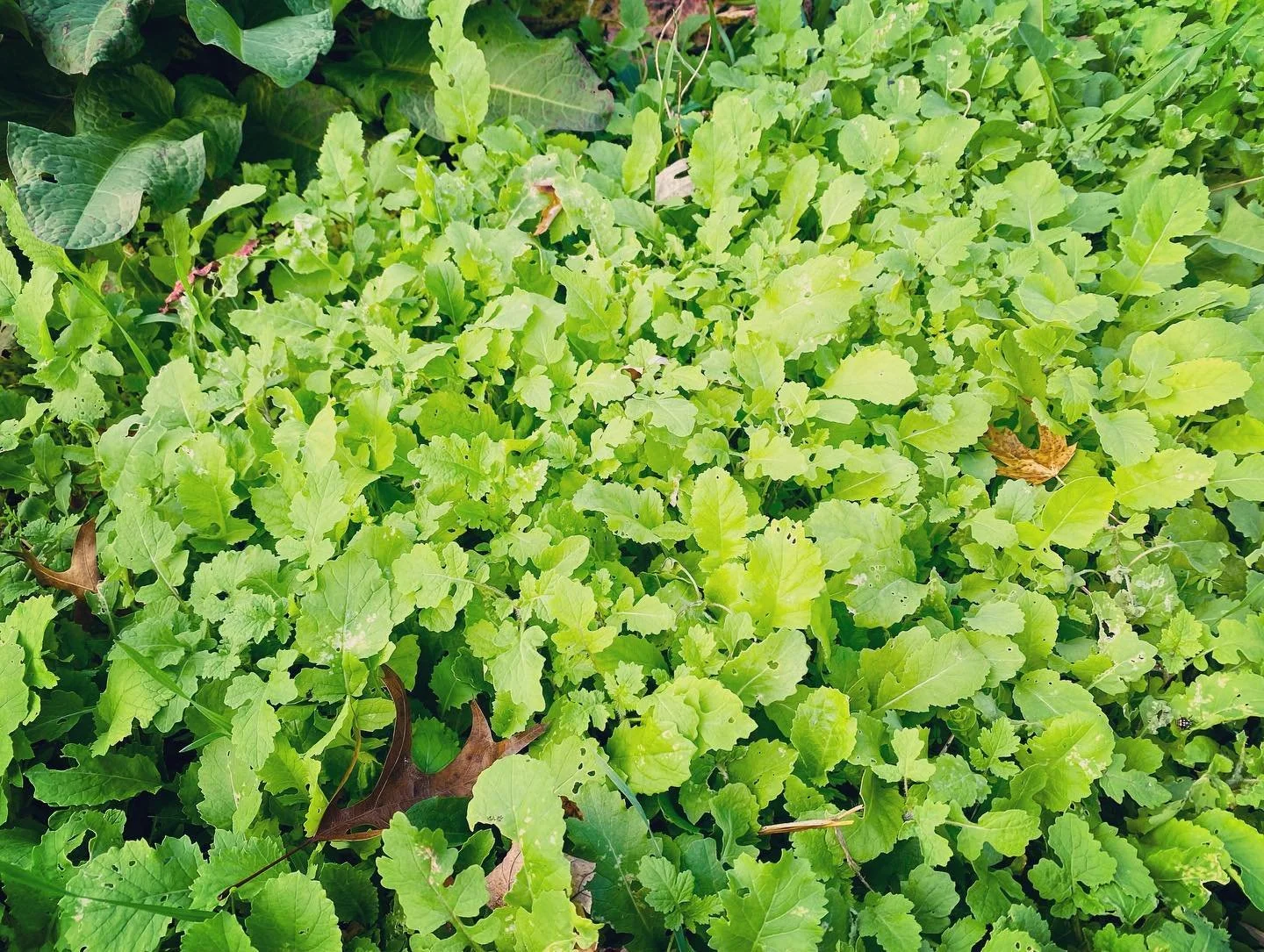
Isn’t it funny how your tongue can taste the good nutrients in our veggies and fruits. But if there is no flavor, it likely did not come from healthy soil. It takes life to make vibrant life. Soil, just like our bodies, needs probiotics. Microbes really do rule the world. We are not the top of a food chain. We are part of it. We are vastly dependent upon this earth and all the microbes in the soil. We are dependent upon the microbes in our gut. There is no room for ego, we rely upon each other.
This is a big job. It is a lifelong job. We were tricked into thinking it could be easy. In 2023, let’s do it the right way. Let’s learn to nourish the soil as well as one another. Let us not seek the answers within where the ego lives. Surely, we can serve this planet and one another better when we listen rather than shout. That doesn’t mean we should not share or teach, quite the contrary. I’d rather you feel you’re learning from a friend than a guru any day though.
All of this came out of studying soil microbes this morning, thinking about how as people, we rely on these microbes in the soil, and then again in our gut and our own microbiome. Here we are again, asking them to patch up the disaster from our neglect. Pretty humbling stuff.
In Closing
It's the simple objectives really, that the world has forgotten. How smart have we become if this is where we stand? How far have we truly come? There is nothing new under the sun, as it would seem we have the same or worse issues than when I was a small child, and surely in many senses, this is true of ages upon ages past. We are digging a planetary grave to bury one another. Do you really want to see change happen here on planet earth, or are we interested in ignoring the world outside of our screens while simply lining our pockets? It truly starts with you!
You can recession proof your life, while doing immense good for the climate and native ecology right in your own backyard. It requires no industrial manufacturing, no fancy degrees, no title after your name, or endless stacks of money to become a citizen scientist.
What permaculture teaches, is a sustainable and simpler life. It is a resilient life, in harmony with nature.
With the principles of permaculture as our guide, we can design, implement, and teach the skills needed to live a self-sustaining life that is regenerative for people and planet. We can start by making as small or vast changes as we like.
The coming season is the perfect time to design, plan, and start learning. Whether you want to harvest rainwater, start a food forest, rewild a once thriving Prairie, remediate toxic land, grow your first kitchen garden, clean up the water table, provide affordable and better nutrition to your family, grow your own mushrooms, grow medicines, plant natives in your ecoregion to invite and feed beneficial critters while promoting pollinators, stop erosion and build healthy living soil, need some integrated pest management, or are ready to go full scale Polyculture farmstead… we are so thankful you are here and happy to help in the process from design and implementation all the way through to hands on mentorship and permaculture education.
We are here to make this a better place for all of creation. The decisions we make today should result in a sustainable world seven generations into the future.